What Chicken Road Really Is and How the Road-Crossing Risk Game Works
I consider visit the official page as a single casino game, not as a casino brand. That difference matters because the word “slot” in the title can set the wrong expectation. What I find is a road-crossing risk game with a chicken, traffic, and a multiplier ladder instead of spinning reels. The gamble feature is the option to cash out or take one more lane, and that decision drives the whole game. I describe how it plays, what RTP and volatility mean here, how the multiplier and max win work, what bet ranges to expect in pounds, and how UK players can handle the risk without treating it like a payline slot. I also highlight what to check in the game’s own rules, because exact settings can vary by build. That is not a technicality. It changes how I evaluate every bet.
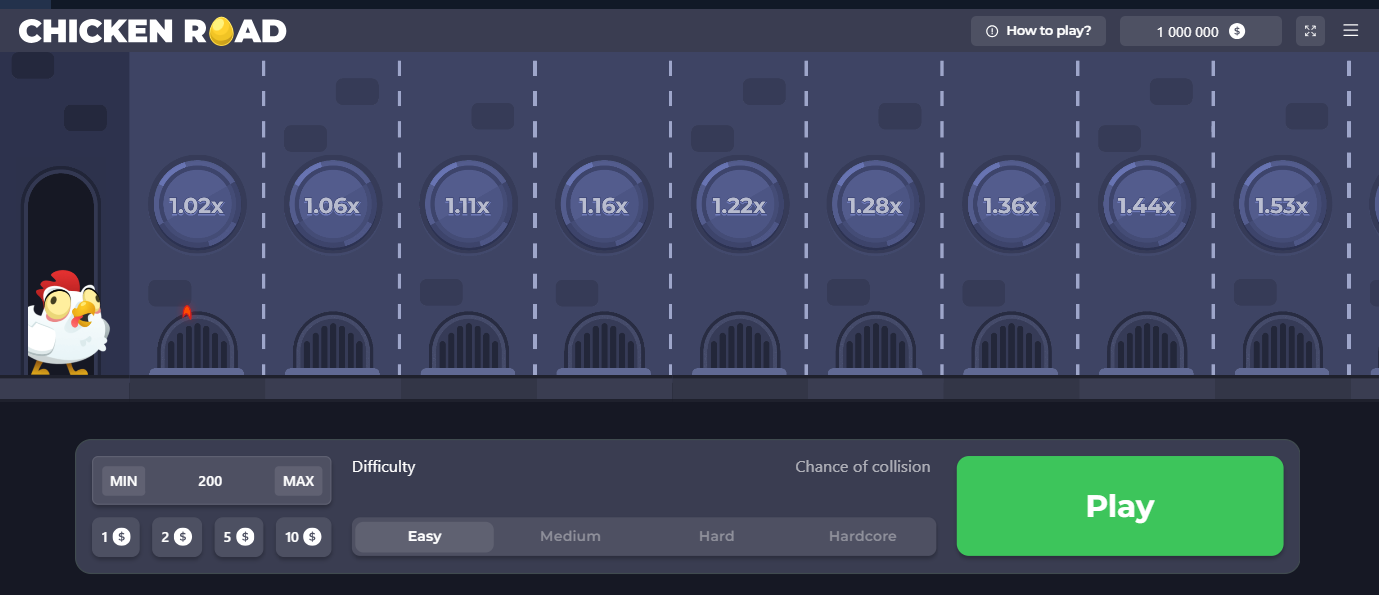
The round flow is easy once I stop looking for slot mechanics. I choose a stake, press start, and watch the chicken move lane by lane. The multiplier usually rises with each safe crossing, while a car ends the round and takes the staked amount. If I withdraw before a collision, I get the stake multiplied by the current step. Some builds add difficulty settings or an auto-cash-out target, so I check those before playing instead of finding them mid-run. There are no free spins, wilds, scatters, or a separate bonus wheel in the classic version I assess. The multiplier ladder is the feature. I check the game info screen for the exact lane structure, maximum multiplier, and any optional risk controls. I also check whether the stake is lost on a collision or whether an insurance-style option exists.
Stake Range, Maximum Win and Session Strategy for UK Players
The stake range is the key link between the gambling game and my bankroll. Chicken Road variants typically offer a low minimum stake in pence and a far higher maximum, with the precise numbers shown in the game interface and terms. I review the span in pounds before I start, because a win multiplier that appears generous at a high bet can be awkward at a small one. The top payout is usually expressed as a limited multiplier, not a progressive jackpot, so there is no increasing prize pool to pursue. I confirm the limit in the win table and regard it as the upper bound of the game’s potential. If the precise limit is not visible in the lobby, I do not guess a figure. I view the rules screen and review the maximum win clause before wagering. That takes seconds.
Game session planning carries more weight here than in a low-variance slot because the cash-out decision is done so many times. I establish a game budget that I can risk without affecting anything else, then break it down into small wagers so a unlucky streak does not cause a drastic change. I also determine a time constraint and a cash-out target for the session, not just for each round. The maximum win is not a reason to continue playing. It is a infrequent maximum. UK players should use deposit limits and time reminders where offered, and should consider the game as fun instead of a method for consistent profit. I favor brief sessions because the win ladder is exciting and can cause overconfidence after a few successful payouts. A recorded plan is boring, but it stops the gambling feature from turning into autopilot.
The Betting Option Explained: Collect or Risk It
In Chicken Road, the gamble feature is the stop-or-go decision, not a different double-or-nothing mini-game. Every safe lane is a gamble. I can bank the current multiplier or push on for the next step. That design is more transparent than a hidden bonus trigger because I see the trade-off on screen. If a build adds a separate gamble button after a win, I treat it as an extra layer of risk and read the rules before pressing it. The core skill is not prediction. It is determining how much of the multiplier ladder I am willing to risk to the next car. I use a pre-set cash-out point so the decision is made before the pressure rises. That habit does more for my discipline than any pattern-spotting theory. It also makes the risk game easier to assess afterwards.
I use the gamble feature with a few practical habits. I set a multiplier target that matches my stake and bankroll, then cash out when it appears. I do not move the target because a run feels hot. I also use auto-cash-out where the build offers it, which removes the temptation to hesitate. I stop after a fixed number of rounds or a loss limit, because the cash-out choice can encourage chasing. The feature is exciting because it is risky, so I do not pretend it is a skill game with a guaranteed edge. UK players should check whether the gamble option is available in their chosen build and whether it changes the stake or only the winnings. The rules panel answers that faster than any forum post. I also avoid increasing my stake after a cash-out just because the feature felt rewarding.
How to Play Chicken Road Gradually Without Making It Complicated

To play Chicken Road, I start the game and review the rules panel before setting a stake. I look for the lane structure, the multiplier steps, the maximum payout, and if an auto-cash-out or difficulty option exists. Then I pick a stake inside my session budget and hit start. The chicken proceeds automatically. My job is to monitor the multiplier and decide when to cash out. If a car strikes, the round finishes and the stake is forfeited. If I cash out, the winnings are awarded based on the current multiplier. There are no paylines to pick and no spin button to press repeatedly, so the learning curve is about risk control, not symbol combinations. I check the controls in demo mode first if I have not experienced the build before. That clears any doubt about where the cash-out button sits.
My practical routine is to begin with a low stake and a modest cash-out target, then increase neither until I have seen several rounds. I avoid changing the target mid-run because that is usually emotion speaking. If the game provides auto-cash-out, I set it to a multiplier I would be happy with, not the highest number on the ladder. I also check whether the stake is taken at the start or only when the round ends, because that impacts how I follow my balance. The best way to learn the rhythm is to view a few complete rounds without betting, then wager small. Chicken Road pays patience more than speed, even though the arcade presentation makes it feel fast. I keep a note of my cash-out points so I can see whether my decisions are consistent. That is more helpful than remembering only the wins.
Design, Visuals and Why the Machine Label Can Confuse
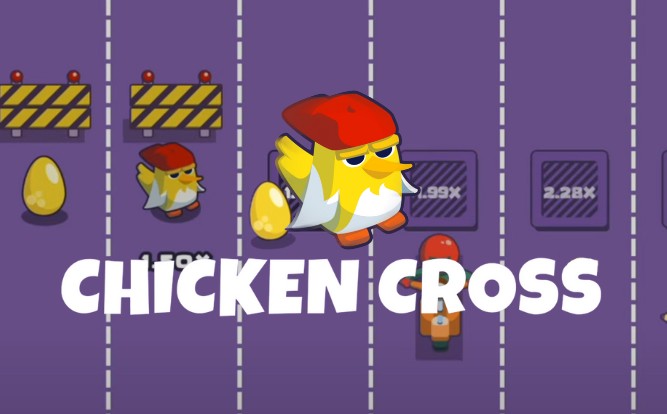
The theme is the attraction: a chicken dodging traffic across a road, with arcade-style graphics and quick rounds. The visuals are simple enough to view on a phone, which is important because the cash-out decision needs to be quick to reach. The visual humour reduces the risk, but it can also make the game seem lighter than it is. The slot label in the title is a lobby feature, not a definition of the mechanics. When I see Chicken Road filed under slots, I still check for reels, paylines, wilds, scatters, and free spins. In the classic risk-game setup, those features are absent. The multiplier ladder and the traffic hazard are the real component set, and the theme makes that cycle memorable. That is why I evaluate it on its own terms, not against a five-reel slot.
The slot label can deceive in another way. It makes players anticipate a fixed bet range, a paytable of symbol combinations, and bonus rounds triggered by scatters. Chicken Road gives me a single risk decision used across lanes, so the important numbers are the multiplier steps, the collision risk, and the maximum payout. I check for the game’s own help screen, not a generic slot description. If a build does add slot-style extras, I want to see them listed in the rules before I view them as part of the game. The theme and the label are marketing. The mechanics are what I actually use. Keeping that distinction clear prevents me from overpaying for a component that is not there. I would choose to know the real sequence than go after a bonus that belongs to a different type. That spares time and money.
Chicken Road title RTP, Variance and What the Risk Profile Means
RTP is the primary number I look at. It reveals the long-run return built into the game, not what I can predict from one session. The value I look for is shown in the game’s info panel. For this type of risk game it usually lands in the high 90s, but I do not rely on a lobby headline. I check the in-game info panel and examine the figure associated with the exact build. The house edge is the gap between that RTP and 100%, and it applies across many plays. Volatility is elevated in practice because the cash-out decision generates a wide spread of outcomes. Short runs yield small amounts. Deep runs are uncommon and can disappear on the next lane. I judge the game on that risk profile, not on a single lucky screenshot. A high RTP does not eliminate the chance of forfeiting the stake on any given run.
Volatility has a practical effect on stake size. If I chase the top multiplier every round, I am opting for the most volatile way to play and can foresee long losing sequences. If I withdraw after one or two safe lanes, I flatten the swings but also restrict the upside. That does not change the RTP. It changes the shape of my results. I tend to set a target before the round and cash out when the multiplier reaches it, instead of determining emotionally after a near miss. UK players ought to view the max win as a ceiling, not a strategy. The game can deliver a large multiplier, but the probability of reaching it is low and the next lane always holds risk. I also keep session length short enough that variance does not cloud my decision-making.
UK Player Checks, Fairness and Responsible Risk
For UK players, the sensible checks are in the game and the account tools around it. I confirm the stated RTP, the maximum win cap, the wager range in pounds, and the exact rules for the gamble option before I wager. I also check whether the game is authorised for the region I am in and whether the operator shows clear safer-gambling links. I study the help screen for the crash rules, the withdrawal timing, and any auto-withdrawal limits, because those details determine how the risk really works. I do not trust screenshots or forum statements for RTP or max win. If a build looks distinct from the version I recognise, I regard it as a new game and review the rules. That habit requires a minute and prevents pricey assumptions. It also keeps my evaluation accurate and useful.
I consider responsible risk as an element of the game, not a warning tacked on at the end. I set a loss cap before the first round and stop when it is reached, because the cash-out loop can make a loss-making session feel retrievable. I keep bets low enough that a crash does not alter my disposition or my budget. I use time reminders and deposit restrictions where the operator makes them available, and I steer clear of playing when I am weary or trying to win back a past loss. The gamble feature is stimulating, but it is still a risk judgment with a negative EV over time. I do not go after the max win, and I do not consider a long run as demonstration of skill. UK players should study the game rules, utilise the safer-gambling features, and stop when the enjoyment ends.